Security Outcome
Manage exposure across third parties
Searchlight identifies the third-party software running on your own infrastructure, monitors it for new exposure and attacker attention, and tells you when a supplier puts your organization at risk. The dependencies you don't control stop being the exposure you can't see.
















Searchlight monitors your third parties
And it does the way it monitors you: their external surfaces, their exposures, and the attacker activity forming around them, continuously.
The challenge
Your risk doesn't end at the assets you own
Suppliers hold your data, connect to your systems, and run software outside your current visibility. One compromise in the supply chain reaches thousands of organizations at once, and questionnaires and annual audits describe how a vendor looked months ago. Attackers assess your suppliers continuously, looking for a way in.
How you gain oversight
From supplier list to living third-party risk picture


See the third-party software on your surface
Shadow exposure discovery identifies the vendor software running on your own infrastructure, down to product and version, and validates what's genuinely exploitable, so the risk a supplier introduces is found where it actually lives: your surface, their software.

Get warning before it's public
Searchlight's research team finds high-impact vulnerabilities in the enterprise software customers rely on before they're publicly known. When a finding affects third-party software you run, you get the defensive advantage: protected ahead of disclosure, while the rest of the market waits for the CVE.

Catch what leaks before it's used
Public repositories and services like GitHub are monitored continuously for sensitive information tied to your organization, AWS keys, API tokens, private keys, correlated with your domains and assets. Teams revoke access before it leaves them exposed.
Use cases
Third-party risk your team can actually see


Third-party risk teams
Third-party risk teams assess supplier exposure continuously, the vendor software on your surface, its vulnerabilities, and leaked keys and credentials, replacing point-in-time questionnaires with current evidence.

Security operations teams
Security operations teams identify compromised third-party credentials and supplier exposures early, before a dependency becomes the entry point into your environment.

Security leadership
Security leadership prioritizes vendors by observed risk, and briefs the business on supply chain exposure from evidence rather than what vendors report about themselves.

Get the full picture
Third parties are part of your exposure fabric

PTEM Platform by Searchlight
Exposure introduced through suppliers is still your exposure. The platform treats third-party surfaces as an extension of your own, proving what's exploitable and observing who's targeting it, so supplier risk is managed with the same evidence as everything else in Preemptive Threat Exposure Management.
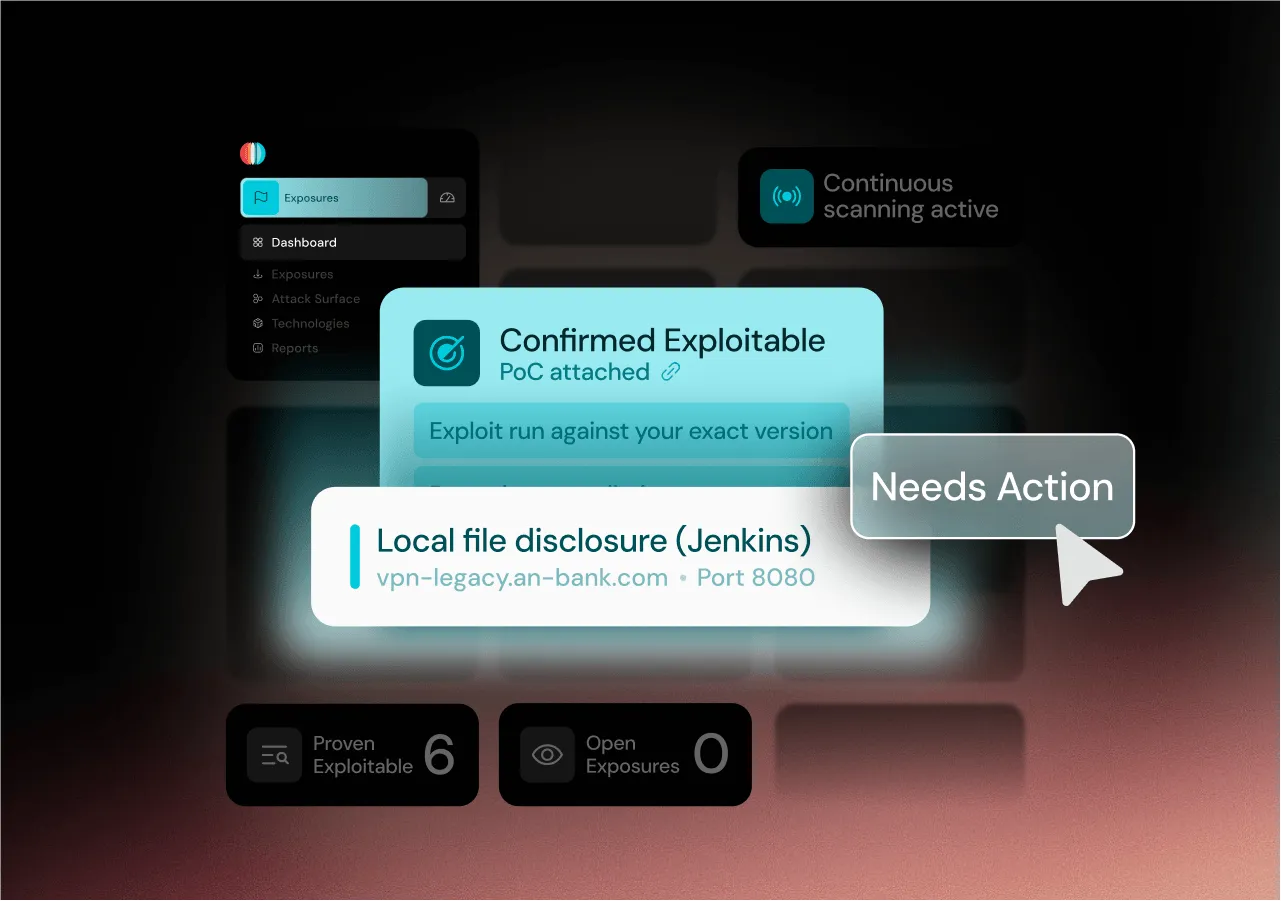

Preempt and remediate exposures first, with the only ASM that scans your clients’ entire surface every hour. Every finding is validated by a high-signal exposure engine, built and maintained by offensive researchers who discover the zero-days themselves and act as an extension of your team.
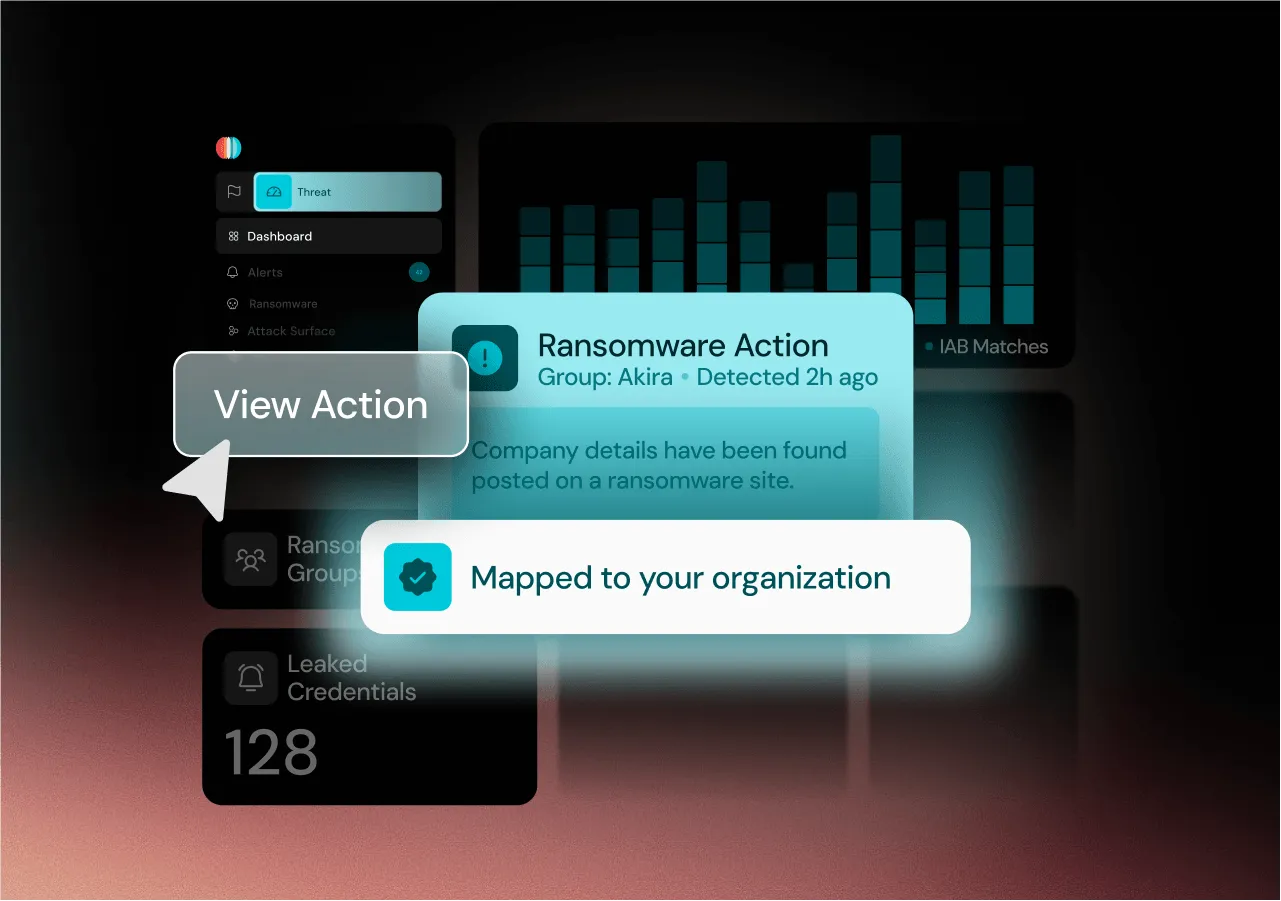


Real-world attacker context. Monitor and investigate pre-attack indicators, including leaked credentials, dark web traffic, and secure access to cybercriminal forum chatter – empowering your SOC to preempt attacks against your customers by identifying malicious activity earlier in the Cyber Kill Chain.
Achieve more with Searchlight
FAQ
About Searchlight for security teams
The risk is identified where it lives: on your own infrastructure. Discovery identifies the third-party software running on your surface, down to product and version, and validates what's genuinely exploitable, so supplier risk is assessed from your side of the relationship, with no access to the vendor's environment required.
Searchlight's research team finds high-impact vulnerabilities in the enterprise software organizations depend on, and tailored alerts, matched to your asset inventory, flag when an emerging vulnerability affects the third-party software you run, often ahead of public disclosure.
Detection covers compromised third-party credentials in circulation, supplier data appearing in leaks and ransomware disclosures, and attacker activity naming your vendors across forums, marketplaces, and closed channels. Ransomware File Explorer goes further: it unpacks leak-site file trees so you can see whether a supplier, or an acquisition target, has been hit by a ransomware attack that hasn't been disclosed, and whether your files are in the leaked data. You learn a dependency is at risk from evidence, not from the vendor's disclosure timeline.
Public repositories and services like GitHub are monitored continuously for sensitive information tied to your organization, AWS keys, API tokens, and private keys, correlated with your domains and assets. Teams revoke the exposed access before it can be used.
Threat intelligence teams use Searchlight Threat's investigation capability to look into a third party directly: search fifteen years of collected intelligence across forums, marketplaces, and leak sites for the organization's name, exposed credentials, and leaked data, and check leak-site file trees for undisclosed ransomware impact. Due diligence runs on evidence from where attackers operate, rather than what the vendor discloses. For the full investigation capability, see our outcome page: Understand threat actors and criminal activity.